Pest library
The common pests that affect Tasmanian homes and businesses, the problem each one causes, and how we deal with it.
Rats and mice
Rats and mice are very adaptable public health pests. They nest in houses, sheds, garages, yards and even cars.
The problem
They can cause electrical fires by gnawing, carry disease and contaminate food, leading to food poisoning and waste.
What we do
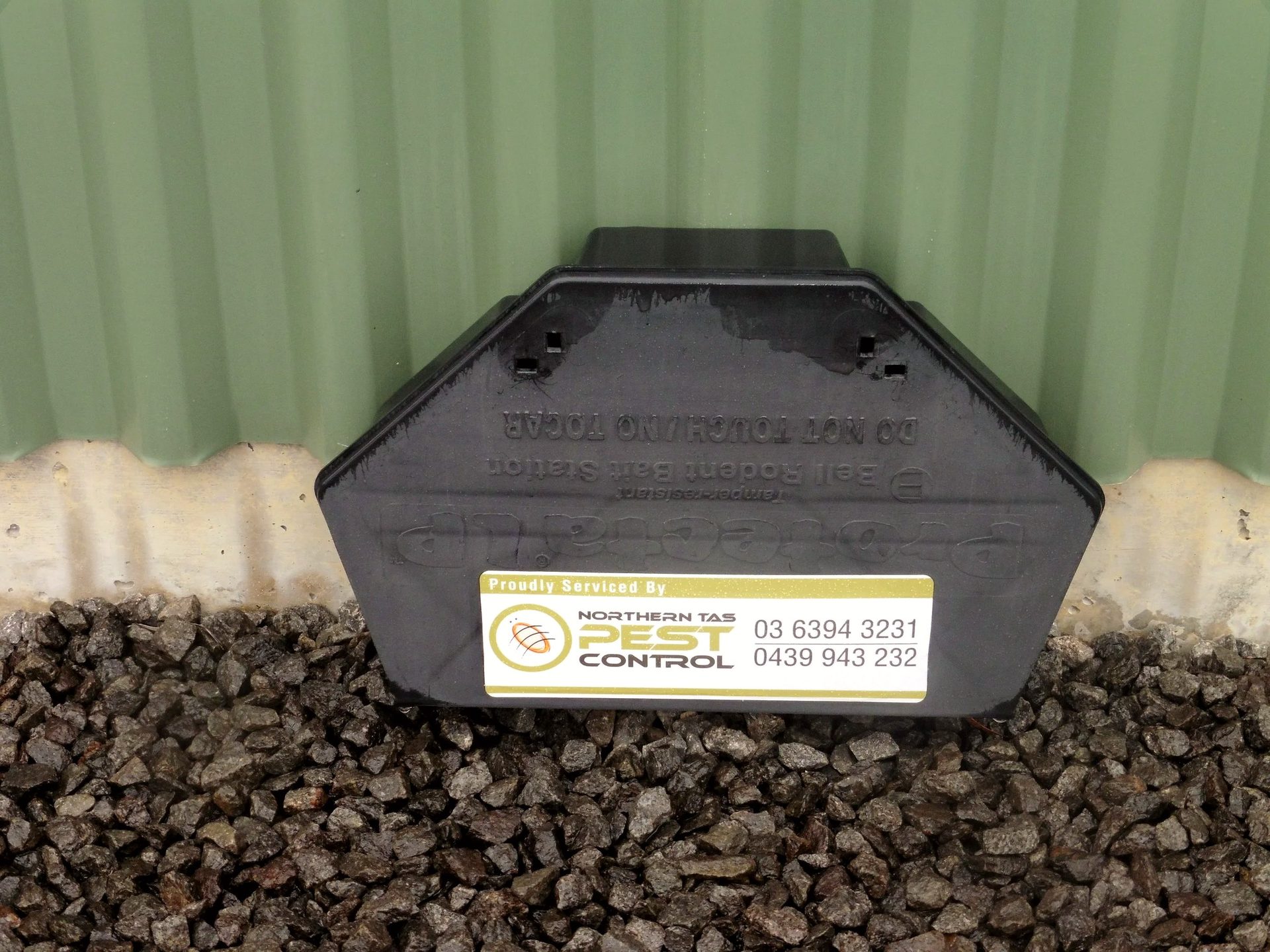
Baiting, snap traps, cages and external bait stations. Each rodent type has different habits and harbourage areas, so we find where they live and work from there.
Spiders and scorpions
Arachnids have been around in one form or another for a very long time.
The problem
Mostly hairy, scary and messy with cobwebs, but some species are poisonous and can cause pain, nausea or ulcerated skin.
What we do
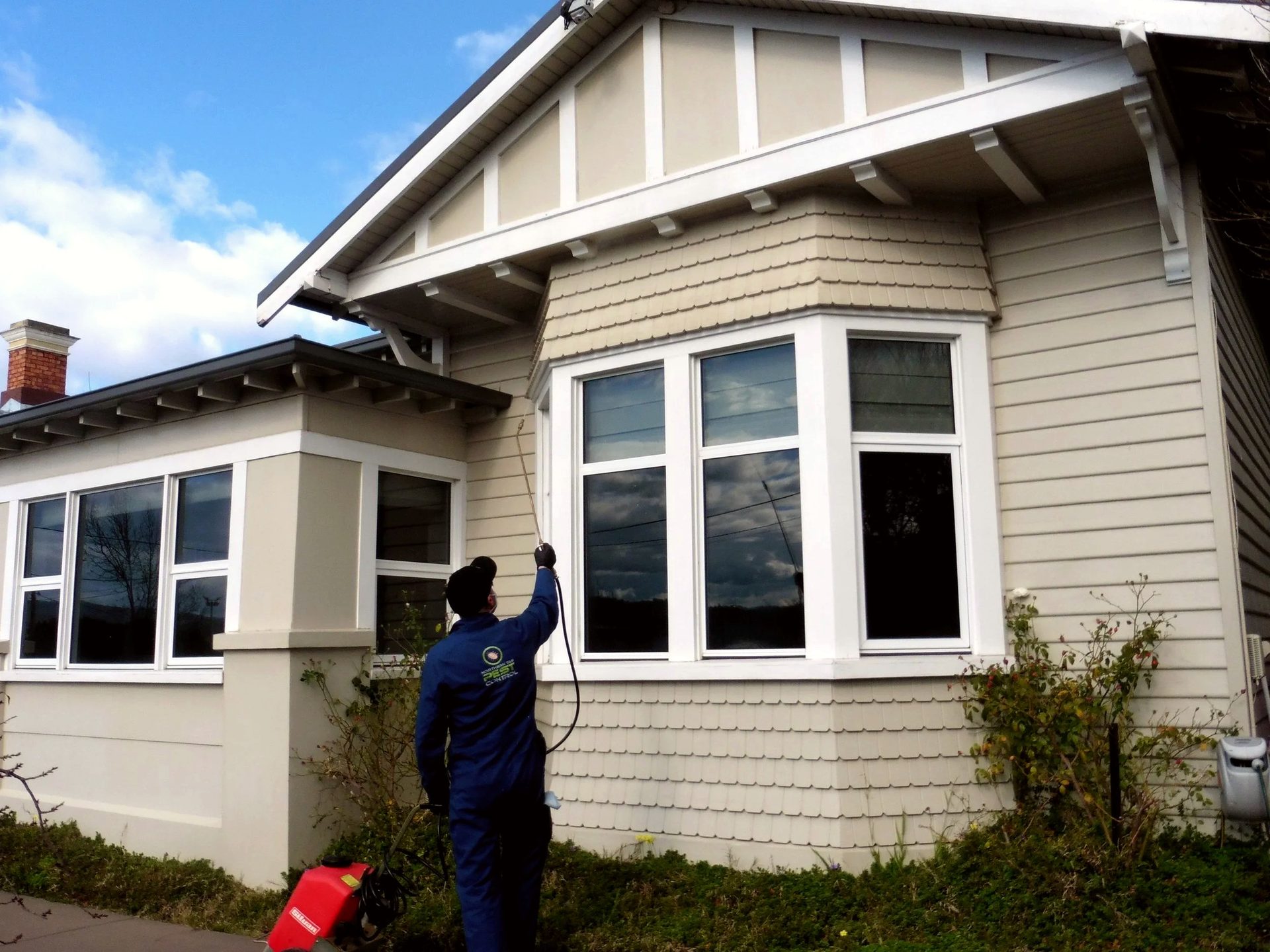
Internal spray to skirtings, cornices, window reveals and door frames; external barrier spray under eaves, around windows and doors and over the cladding. Weep holes and roof cavities are powdered.
Bees
Every third mouthful of food we eat is in some way produced by bees, so we protect them where we can.
The problem
Painful stings that can be deadly to people with allergies, often from nests under eaves, in brickwork or in chimneys.
What we do
Our first preference is always to relocate the hive to one of several local beekeepers. Where that isn’t possible, we use a gas or powder.
European wasps
First found in Australia in 1959, European wasps are territorial and nest in hard-to-spot places.
The problem
They sting several times, and they damage native ecosystems and local agriculture. Leave the nest alone.
What we do
We find the nest or nests nearby and treat them with a registered insecticide, early in the morning or at night when wasps are less active.
Flies and mosquitoes
There are more than 7,000 fly species in Australia.
The problem
They move between rubbish and food, carrying disease to people.
What we do
A thorough spray of your house, sheds or stables, including window reveals and light fittings, so flies die faster. We also supply and service fly units and traps.
Ants
Colonies range from a few dozen to many thousands, nesting in wall cavities, soil, rocks, logs and concrete edges.
The problem
Ants carry bacteria such as salmonella, sometimes bite or sting, and quickly take over kitchens and pantries.
What we do
Gels, powders, sprays or gas, chosen by nest location, food preference and species. Identification comes first.
Bed bugs
“Don’t let the bed bugs bite” refers to a real pest, usually linked to accommodation.
The problem
They test-bite a few times, leaving a line of itchy bites, and can cause allergic reactions and swelling.
What we do
A thorough inspection and spray of the room. We also have mattress protectors and monitoring devices for fast detection.
Fleas
Ten fleas can potentially become 250,000 in only 30 days.
The problem
Fleas bite pets and people, leaving itchy red welts, and some people react badly to them.
What we do
Indoors, carpets are sprayed and we walk you through the steps before and after. Outdoors, we spray gardens, kennels and anywhere your pet spends time.
Cockroaches, silverfish, millipedes, carpet beetles and slaters
Pests adapted to homes and businesses that harm both health and property.
The problem
Cockroaches cross benches and utensils at night and can carry dysentery and salmonella. Silverfish damage clothing and books; carpet beetles damage wool carpets.
What we do
Sprays, powders and gels.
Possums and feral cats
Possums keep nesting where they always have, which now includes our roofs. Feral cats are a human-introduced problem.
The problem
Possums settle into ceilings and sheds. Feral cats harm native wildlife and can pass diseases to pets.
What we do
Trapping. Cats are checked for microchips at a vet. Possums are native and can only be removed by licensed operators: Northern Tas Pest Control is licensed by the DPIWE.
Birds
Birds nest where food is close and their young have the best chance.
The problem
They carry disease, leave acidic droppings that are costly to clean, and block gutters.
What we do
Chemical options plus bird spikes, netting and other non-chemical methods. We also supply and fit gutter guard.